


For years, oil-based polyurethane was the default choice for homeowners who wanted a warm, traditional hardwood look. Older water-based options often did not create that same depth and richness. Modern finish systems have changed that comparison.
In this guide, we explain how water-based and oil-based hardwood finishes compare in appearance, dry time, odor during the project, durability, and long-term color change—and why we now use water-based finish systems at Classy Flooring ATL.
What is the difference between water-based and oil-based hardwood finishes?
The main difference is how the finish system behaves during application and over time.
Traditional oil-based polyurethane is known for its amber tone, stronger odor, and slower dry process. Water-based finishes behave differently. They generally dry faster, produce less odor during the project, and give more control over the final tone and sheen.
For many years, that still did not fully solve the warmth issue. A lot of older water-based systems looked too clear or too cool compared with oil. The better systems available today are much more capable than that.
How water-based and oil-based finishes compare
Appearance
Oil-based finishes add amber tone and continue to warm with age. Water-based finishes are generally clearer, but the right system can still create warmth and depth without relying on long-term yellowing.
Dry time
Water-based finishes generally dry faster than oil-based polyurethane. That can make the refinishing process more efficient from coat to coat.
Odor during the project
Water-based systems are often easier to manage during the project because they typically produce less odor than traditional oil-based finishes.
Durability
A lot of homeowners still assume oil-based automatically means stronger. That is no longer a reliable rule. Modern water-based finish systems can perform very well when the correct product is selected and properly applied.
Long-term color change
Oil-based finishes continue to amber over time. Water-based finishes are more color-stable, which gives more control over how the floor looks years later.
Why we now use water-based hardwood finish systems
At Classy Flooring ATL, we do not use traditional oil-based floor finishes anymore.
That decision was not based on trend language. It was based on how modern water-based systems perform in real homes. They give us better control over the project timeline, less odor during the work, and a more predictable long-term finish result.
They also allow us to build warmth more intentionally instead of depending on the finish to yellow over time.
Can you still get a warm, classic “oil look” with a water-based finish?
Yes—if the right system is used.
One reason many homeowners stayed attached to oil-based polyurethane for so long was the warmth. That concern is understandable. A lot of older water-based products could not get close enough to that look.
That is where product selection matters. One system we use for this goal is LOBA Hybrid. It can move toward a warmer, more traditional appearance while staying within a modern waterborne finish system.
The point is not that every water-based finish looks the same. The point is that newer systems give more control over the final result than many homeowners realize.
When matching older oil-finished floors takes more experience
One of the more technical parts of finish work is not a full refinishing job. It is when a homeowner wants to refinish only part of the house and blend into older floors that were finished years ago, often with oil-based products.
That kind of match depends on more than the product label. It requires sample areas, sheen evaluation in real light, careful sanding, and sometimes controlled tinting within the water-based system.
It is not a perfect-copy process, because older floors change with age, sunlight, wear, and previous products. But with the right conditions and the right process, the transition can be made much less visually abrupt.
Real examples
Below are examples of floors finished with water-based systems selected to create warmth and depth without using traditional oil-based polyurethane.
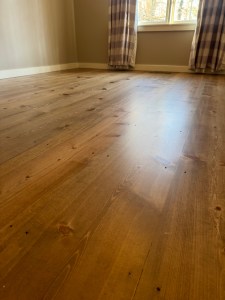
Pine floor finished with LOBA Hybrid (Satin) — warm tone and depth within a water-based system.
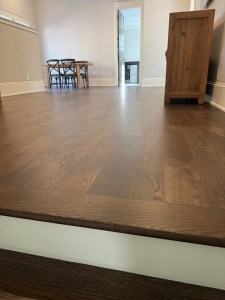
Oak floor finished with LOBA Hybrid (Satin) — a warmer, more traditional look achieved with a modern waterborne finish.
Quick FAQ
Will a water-based finish look too cold?
Not if the right finish system is chosen. Some modern water-based finishes are designed to create more warmth and depth than older waterborne products.
Will a water-based finish hold up in a busy home?
Yes. Modern water-based finish systems can perform very well when the correct product is selected and properly applied.
Can you still get a warm “oil look” without using traditional oil-based polyurethane?
Yes. With the right system, it is possible to move toward that warmer, more traditional appearance while staying within a modern waterborne finish system.
Final thoughts
Choosing a finish is not only about color. It is also about dry time, odor during the project, long-term appearance, and how the system performs in everyday use.
If you are planning a refinishing project in Atlanta, we can help you evaluate which finish system fits your floor, your design goals, and the way your home is used.
To see real project examples, visit our Gallery. To learn more about our refinishing services, visit our Services page. If you are planning a project, you can also reach out through our Contact page.